How Does Soap Safely Affect Dry Cheek Combination Skin?
Soap can significantly impact dry cheek combination skin by potentially exacerbating dryness on the cheeks while providing inadequate cleansing or even irritation to oilier areas.
The primary concern is often the disruption of the skin’s natural moisture barrier, leading to increased tightness, flakiness, and sensitivity, especially with harsh surfactants.
Soap can strip natural oils, worsening dryness on cheeks and potentially irritating other areas, thus requiring careful selection.
Choosing the right soap leads to balanced, hydrated skin and prevents common issues like tightness or breakouts.
Prioritizing gentle, pH-balanced cleansers can improve skin barrier function and overall skin health over time.
What is in the Table of Contents?
The table of contents outlines the key sections covering soap and dry cheek combination skin.
What is dry cheek combination skin and why does it matter for cleansing?
Dry cheek combination skin features oily areas, typically the T-zone, alongside dry or sensitive cheeks.
Understanding these differing zones is crucial for cleansing because generic soaps can exacerbate dryness on cheeks while failing to adequately address oiliness, leading to an imbalanced skin barrier.
What is the Skin Barrier?
The Skin Barrier is the skin’s outermost layer, protecting against moisture loss and irritants.
The outermost layer of the epidermis, composed of lipids and cells, which protects against environmental aggressors and prevents water loss.
The disparate needs of combination skin zones mean that optimal cleansing is not about using a single “one-size-fits-all” product, but rather a strategic approach to product selection and application.
Effective cleansing requires acknowledging the heterogeneous nature of combination skin.
The skin’s varying needs across different facial zones dictates suitable soap formulations.
A compromised skin barrier can result from unsuitable cleansing on combination skin.
How do dry cheeks differ from oily T-zones in combination skin?
Dry cheeks typically produce less sebum, leading to a compromised moisture barrier and feelings of tightness or flakiness.
Conversely, the oily T-zone (forehead, nose, chin) has overactive sebaceous glands, resulting in excess oil production, visible pores, and a shiny appearance.
What is Sebum?
Sebum is the oily substance that lubricates and waterproofs the skin.
An oily, waxy substance produced by the sebaceous glands to lubricate and waterproof the skin and hair.
This zonal disparity often leads individuals to mistakenly treat their entire face with products designed for one extreme, unknowingly harming the other zone.
Dry cheeks in combination skin can experience a pH recovery period of approximately 30 minutes after cleansing with unsuitable products, highlighting their sensitivity.
Cheeks typically present with reduced oil production compared to the T-zone.
The T-zone actively produces excess sebum and exhibits larger pores.
These distinct characteristics necessitate differential cleansing approaches.
What roles do the skin barrier and pH play in skin health for this type?
A healthy skin barrier prevents moisture loss and protects against irritants, a function often compromised in dry cheeks.
Skin pH, ideally slightly acidic (4.5-5.5), directly influences barrier function; an elevated pH from harsh soaps disrupts this balance, making dry cheeks more vulnerable and even promoting breakouts in oily areas.1
What is the Acid Mantle?
The Acid Mantle is the protective, slightly acidic film on the skin’s surface.
The slightly acidic film on the surface of the skin, formed by sebum and sweat, which acts as a protective barrier against bacteria and environmental pollutants.
Many common skincare issues in combination skin, from persistent dryness to recurring blemishes, trace back to an imbalanced pH or a damaged skin barrier.
The skin barrier thrives at a slightly acidic pH of around 4.5 to 5.5, a crucial range for maintaining its protective function in combination skin.
A compromised skin barrier leads to increased transepidermal water loss and sensitivity.
Maintaining the skin’s natural acidic pH optimizes enzyme function and bacterial defense.
Alkaline soaps disrupt the acid mantle, creating vulnerabilities in both dry and oily zones.
As someone who has navigated the complexities of combination skin for years, I’ve learned that understanding the science behind the skin barrier and pH was a game-changer. It helped me realize why some products left my cheeks feeling like sandpaper while my T-zone was still shiny. It’s truly about finding that delicate balance.

Figure 1: Diagram illustrating the dry cheek and oily T-zone areas on a face.
To delve deeper into understanding how compromised barriers specifically react to cleansing agents, consider reading about How Does Soap Affect Barrier-Impaired Dry Skin?
Disclaimer: The information provided in this section is for educational purposes only and should not be considered medical advice. Always consult with a dermatologist for personalized skincare recommendations.
How do different soap types generally interact with the skin barrier?
Soaps primarily interact with the skin barrier by emulsifying natural oils and lifting surface debris, a process that can, if too aggressive, strip essential lipids.
Harsh soaps, typically alkaline, elevate skin pH and dissolve the protective lipid layer, while gentle, pH-balanced cleansers aim to cleanse without disrupting this vital barrier.2
What is a Surfactant?
A Surfactant is an ingredient that lowers surface tension to help lift dirt and oil.
A compound that lowers the surface tension between two liquids or between a liquid and a solid, making it easier to lift dirt and oil.
The term “soap” encompasses a wide spectrum of cleansing agents, from traditional saponified oils to synthetic detergent bars (syndets), each with a fundamentally different interaction profile with the skin.
The chemical composition of soap dictates its effect on skin lipids.
Cleansing involves the removal of both unwanted impurities and beneficial natural oils.
Surfactant strength directly correlates with potential barrier disruption.
What defines harsh soaps that strip natural oils from skin?
Harsh soaps typically possess an alkaline pH (8-10+) and contain strong anionic surfactants, such as Sodium Lauryl Sulfate.
These properties enable aggressive emulsification of natural lipids, including ceramides and fatty acids, from the stratum corneum, leading to a compromised skin barrier and increased transepidermal water loss.
What is the Stratum Corneum?
The Stratum Corneum is the outermost layer of the epidermis, acting as the primary barrier.
The outermost layer of the epidermis, primarily responsible for barrier function, composed of dead skin cells and lipids.
The “squeaky clean” feeling often associated with harsh soaps is, in fact, an indicator of a stripped and potentially damaged skin barrier.
Harsh soaps typically exhibit an alkaline pH often between 9 and 10, significantly disrupting the skin’s natural acidic mantle.
High alkalinity in soap elevates skin pH, leading to barrier disruption.
Strong surfactants aggressively solubilize the skin’s protective lipid matrix.
The removal of natural moisturizing factors results in dryness and tightness.
Which soap ingredients are known to dry out or irritate sensitive skin areas?
Common soap ingredients known to dry out or irritate sensitive skin include strong sulfates (e.g., Sodium Lauryl Sulfate, Sodium Laureth Sulfate), artificial fragrances, alcohol, and harsh preservatives like parabens.
These agents can strip natural oils, disrupt the skin’s acid mantle, and trigger inflammatory responses, exacerbating dryness and redness on the cheeks.
What are Parabens?
Parabens are preservatives that can sometimes cause irritation in sensitive individuals.
A class of commonly used preservatives in cosmetics, sometimes associated with skin irritation in sensitive individuals.
The cumulative effect of multiple irritating ingredients, even in small concentrations, can significantly amplify their detrimental impact on sensitive skin.
Avoiding harsh ingredients like strong sulfates helps prevent issues that could require a rebalancing period of up to one week for reactive skin.
Sulfates are powerful detergents that remove beneficial skin lipids.
Artificial fragrances trigger contact dermatitis and exacerbate dryness.
High concentrations of alcohol dehydrate the skin, leading to tightness.

Figure 2: Illustration of how harsh versus gentle cleansing affects the skin barrier.
This stripping often directly correlates with how cleansing impacts the skin’s protective layer. You can learn more about this process and its effects by examining How Does Soap Disrupt the Skin’s Acid Mantle?
Which soap types are best for managing dry cheek combination skin?
The best soap types for dry cheek combination skin are generally pH-balanced, gentle cleansers such as syndet bars, cream or gel cleansers, and oil-based cleansers.
These formulations prioritize preserving the skin’s moisture barrier on dry cheeks while still effectively cleansing the T-zone without over-stripping.3
What are Syndet Bars?
Syndet Bars are synthetic, pH-balanced cleansers that are gentler than traditional soap.
Short for “synthetic detergent bars,” these are pH-balanced cleansing bars made with synthetic surfactants rather than saponified fats, making them gentler than traditional soap.
Many modern cleansers designed for combination skin are formulated with amphoteric surfactants, which are mild and less likely to strip, offering a more balanced cleansing experience.
Syndet bars offer a pH-friendly alternative to traditional alkaline soaps.
Cream or gel cleansers provide gentle cleansing suitable for sensitive, dry areas.
Oil-based cleansers can effectively dissolve sebum without stripping the skin.
What are the benefits of pH-balanced cleansers for combination skin?
pH-balanced cleansers, formulated to match the skin’s natural pH of 4.5-5.5, prevent the disruption of the acid mantle.
This preservation ensures the skin’s protective barrier remains intact, reducing dryness and sensitivity on cheeks while preventing the reactive oil production that can occur in the T-zone when the barrier is compromised.
What is the Acid Mantle?
The Acid Mantle is the skin’s natural, slightly acidic defensive layer.
The slightly acidic film on the skin’s surface, essential for barrier function and defense against pathogens.
An intact acid mantle is crucial not only for moisture retention but also for supporting the skin’s natural antimicrobial defenses, preventing secondary issues.
pH-balanced cleansers maintain the skin’s optimal pH in the sweet spot of 4.5 to 6.5, which is essential for preserving the acid mantle.
Matching the skin’s natural pH prevents barrier disruption.
An intact acid mantle reduces water loss from dry cheek areas.
Maintaining skin pH helps regulate sebum production in the T-zone.
When should you consider a gentle, cream-based cleanser for dry cheeks?
You should consider a gentle, cream-based cleanser for dry cheeks when these areas feel consistently tight, flaky, or sensitive after washing, or during colder months when skin is naturally drier.
Their rich, emollient formulations cleanse without foam, depositing hydrating ingredients that soothe and replenish the moisture barrier, reducing post-cleansing discomfort.
What is an Emollient?
An emollient is an ingredient that softens skin and reduces water loss.
A moisturizing ingredient that helps soften and smooth the skin by filling in gaps between skin cells, creating a smoother surface.
Cream cleansers are excellent for dry skin not just because they avoid stripping, but because they often contain occlusive agents that immediately provide a protective layer post-wash.
Consider a gentle, cream-based cleanser for dry cheeks to ensure optimal cleansing, typically recommended not more than twice daily for combination skin.
Cream cleansers minimize friction and surfactant exposure for dry skin.
Their emollient properties leave a protective, moisturizing film.
The absence of foaming agents reduces the potential for stripping natural oils.
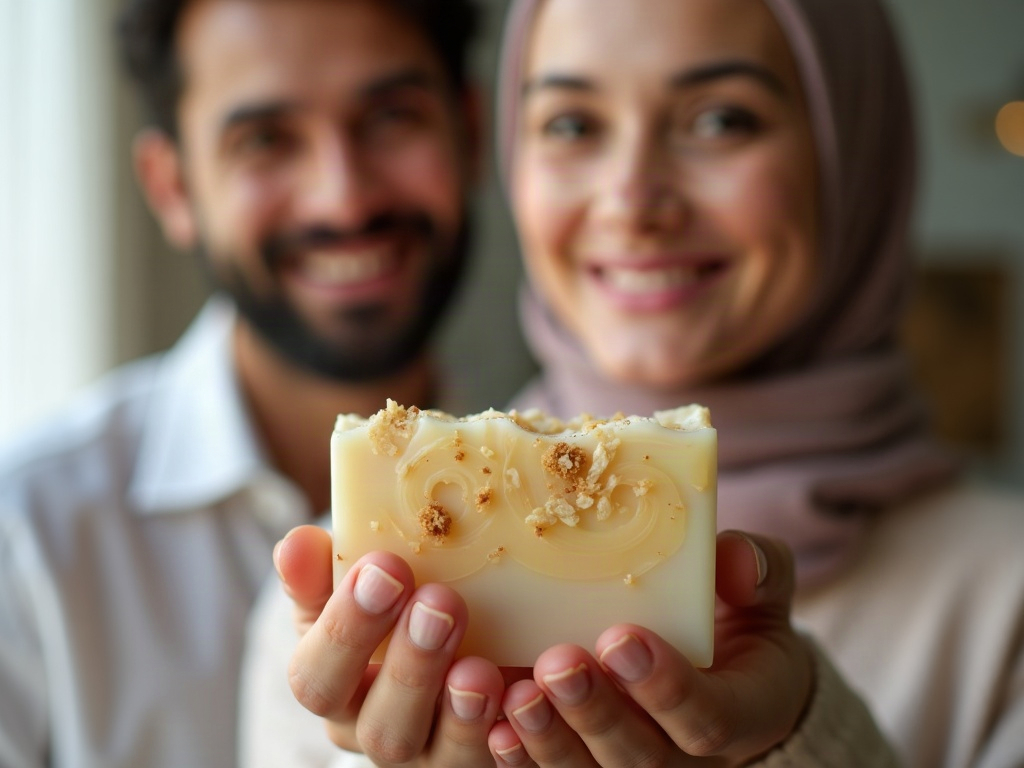
Figure 3: A collage of different gentle cleanser types (syndet, cream, oil) suitable for combination skin.
What specific ingredients should you look for and avoid in soap for this skin type?
For dry cheek combination skin, prioritize soaps containing moisturizing humectants and emollients like glycerin, hyaluronic acid, and ceramides, which hydrate and support the skin barrier.
Conversely, strictly avoid harsh sulfates, strong artificial fragrances, drying alcohols, and irritating dyes, as these exacerbate dryness on cheeks and can trigger sensitivity or breakouts.
What is a Humectant?
A humectant attracts and holds water in the skin.
A substance that attracts and holds water from the air or deeper layers of the skin, helping to keep it hydrated.
The “clean” beauty movement has led to an increased awareness of ingredient lists, but not all natural ingredients are gentle, and some synthetics are highly beneficial.
Beneficial ingredients attract and lock moisture into the skin.
Irritating ingredients actively disrupt the skin’s protective barrier.
Avoiding specific chemicals prevents exacerbation of dry cheeks and T-zone issues.
Which moisturizing ingredients help hydrate dry cheeks in soap formulations?
Key moisturizing ingredients beneficial for dry cheeks in soap formulations include humectants like glycerin and hyaluronic acid, which attract water to the skin, and emollients such as shea butter and ceramides, which help to soften the skin and reinforce the barrier.
These ingredients counteract the drying effects of cleansing, leaving cheeks feeling supple and comfortable.
What are Ceramides?
Ceramides are essential lipid molecules that maintain skin barrier integrity.
Lipid molecules naturally found in the skin barrier, essential for maintaining its integrity and moisture retention.
While a cleanser is a “rinse-off” product, the quality and concentration of moisturizing ingredients can still significantly impact post-wash skin comfort and hydration levels.
Moisturizing ingredients in soap formulations are often found in products tested for over 20 days by a panel of 20 volunteers, ensuring their hydrating benefits for dry cheeks.
Glycerin is a ubiquitous humectant that draws moisture into the skin.
Hyaluronic acid significantly boosts skin hydration due to its water-binding capacity.
Ceramides replenish the lipid matrix, fortifying the compromised skin barrier.
What common irritants and artificial fragrances should combination skin users avoid in soaps?
Combination skin users should avoid strong artificial fragrances, which are common allergens and irritants, potentially leading to redness, itching, and dryness on cheeks.
Other irritants to eschew include harsh sulfates (e.g., SLS, SLES), ethanol (drying alcohol), and certain preservatives, as these strip natural oils, disrupt the skin barrier, and can trigger inflammatory responses or reactive oiliness in the T-zone.
What is Contact Dermatitis?
Contact Dermatitis is an inflammatory reaction caused by an allergen or irritant.
An inflammatory skin condition caused by direct contact with a substance, often an allergen or irritant, leading to symptoms like redness, itching, and rash.
Even products labeled “unscented” may contain masking fragrances to neutralize chemical odors, so “fragrance-free” is the more reliable indicator for sensitive skin.
Avoiding strong irritants and artificial fragrances helps prevent skin problems, whose consequences can take approximately 6 minutes of focused learning to understand the full impact.
Artificial fragrances are a leading cause of contact dermatitis in sensitive skin.
Strong sulfates aggressively denature skin proteins and lipids.
Drying alcohols dehydrate the skin, exacerbating dryness and sensitivity.

Figure 4: A visual comparison of beneficial versus harmful ingredients, with examples.
How do factors like certification, sustainability, and price influence soap choice for combination skin?
Certifications like “dermatologist-tested” provide assurance of reduced irritancy, crucial for sensitive dry cheeks.
Sustainable options often prioritize gentler, natural ingredients beneficial for the skin and environment.
While price doesn’t directly correlate with efficacy, user reviews can guide expectations; ultimately, balancing these factors helps find a product that aligns with personal values and skin needs.
What does Hypoallergenic mean?
Hypoallergenic formulations minimize the potential for allergic reactions by excluding common allergens.
A product formulation designed to reduce or minimize the potential for allergic reactions, often by excluding common allergens.
The notion that “more expensive equals better” is often a marketing fallacy in skincare; many effective and gentle cleansers are available across a wide range of price points.
Third-party certifications indicate adherence to specific formulation standards.
Sustainable practices often align with gentler, more natural ingredient profiles.
Price points do not inherently determine a product’s suitability or efficacy for combination skin.
Why are dermatological certifications important for sensitive, combination skin?
Dermatological certifications, such as “dermatologist-tested,” “hypoallergenic,” or specific seals from organizations like the National Eczema Association (NEA), indicate that a product has undergone rigorous testing and is less likely to cause irritation or allergic reactions.
This is particularly important for sensitive, combination skin where dry cheeks are prone to reactivity, offering a layer of trust and safety for consumers.
What is the National Eczema Association (NEA) Seal?
The NEA Seal recognizes products suitable for eczema and sensitive skin based on strict criteria.
A recognized certification awarded to products suitable for individuals with eczema and sensitive skin, based on strict ingredient and testing criteria.
While certifications reduce risk, they do not guarantee zero reactions, as individual sensitivities vary widely even among certified products.
Dermatological certifications often reflect products backed by decades of research, such as those from companies with 70 years of botanical expertise, assuring gentleness for sensitive skin.
Certifications provide external validation of product gentleness.
“Hypoallergenic” labels denote a minimized allergen content.
These seals help consumers with sensitive skin make safer product choices.
Do user reviews and price points accurately reflect a soap’s effectiveness for dry cheek skin?
User reviews can offer valuable anecdotal evidence, especially if multiple reviews highlight “gentle” or “non-drying” properties for dry cheeks, but individual experiences vary.
Price points are not a reliable indicator; effective, gentle soaps exist across all budgets.
Ultimately, a product’s ingredient list and personal skin response are more accurate gauges of effectiveness than collective reviews or cost.
What is Anecdotal Evidence?
Anecdotal Evidence is information based on personal accounts rather than scientific studies.
Information based on personal accounts or observations rather than systematic research or scientific studies.
The placebo effect can subtly influence user perceptions, making it challenging to objectively assess product effectiveness based solely on reviews.
User reviews offer anecdotal insights, but for effective personal guidance, understanding your skin’s needs can take approximately 4 minutes of dedicated self-assessment.
Consistent themes in user reviews regarding gentleness can be suggestive.
High price does not automatically equate to superior performance or suitability.
Personal trial and error, guided by ingredient knowledge, remains the most accurate assessment method.
Can sustainable soap choices also benefit dry cheek combination skin health?
Sustainable soap choices often prioritize natural, biodegradable ingredients and minimize harsh chemicals, which directly benefits dry cheek combination skin.
Products focused on environmental responsibility tend to be fragrance-free, sulfate-free, and packaged minimally, reducing exposure to common irritants and supporting a healthier skin barrier.
This alignment often means gentler formulations that are less likely to strip natural oils or cause irritation.
What does Biodegradable mean?
Biodegradable substances can be safely decomposed by natural processes.
Capable of being decomposed by bacteria or other living organisms, reducing environmental impact.
Many eco-conscious brands are driven by a philosophy of minimal and clean ingredients, which inherently makes their products more compatible with sensitive and reactive skin types.
Sustainable soap choices often prioritize natural ingredients, ensuring formulations that can be purchased for around €9.90 for a 100g bar, offering an accessible healthy option.
Eco-friendly soaps often contain fewer synthetic additives and harsh surfactants.
Reduced chemical exposure benefits sensitive, dry cheek areas.
Sustainable packaging choices can sometimes reflect a “less is more” approach to ingredients.
How should you wash dry cheek combination skin with soap for optimal results?
To wash dry cheek combination skin optimally, use lukewarm water and a small amount of gentle, pH-balanced cleanser, applying it primarily to the oily T-zone with light circular motions.
Extend quickly and gently to the cheeks, avoiding excessive rubbing, then rinse thoroughly.
This technique ensures effective cleansing where needed without over-stripping or irritating the drier areas.
What is Lukewarm water?
Lukewarm water is moderately warm, ideal for cleansing without stripping or irritating skin.
Water that is moderately warm, neither hot nor cold, generally between 98-105°F (37-40°C), ideal for cleansing skin without causing irritation or excessive stripping.
The way you apply and rinse your cleanser can be just as crucial as the cleanser itself in managing combination skin.
Using a minimal amount of cleanser prevents excessive stripping.
Focusing application on the T-zone targets oiliness without over-drying cheeks.
Gentle, quick rinsing removes cleanser residues effectively.
What is the optimal water temperature for cleansing combination skin?
Lukewarm water is optimal for cleansing combination skin because it effectively loosens dirt and oils without stimulating excessive sebum production or stripping the natural moisture barrier.
Hot water can dilate capillaries and exacerbate dryness on cheeks, while cold water may not adequately emulsify oils, making lukewarm the ideal balance to maintain skin health.
What are Capillaries?
Capillaries are tiny blood vessels that can become irritated by extreme water temperatures.
Tiny blood vessels that supply blood to the outermost layers of the skin, which can become more visible or irritated with extreme temperatures.
The common misconception that hot water opens pores and cold water closes them is dermatologically inaccurate; pores do not open and close in this manner.
Lukewarm water is optimal for cleansing combination skin, helping to maintain a balanced state that can see skin rebalance within days by simply adjusting routines.
Excessively hot water dehydrates the skin and triggers inflammation.
Cold water struggles to effectively cleanse oily areas.
Lukewarm water supports barrier function and comfortable cleansing.
How can cleansing techniques vary for dry cheeks versus the oily T-zone?
For the oily T-zone, apply a gentle cleanser with more focus and perhaps slightly longer, circular motions to effectively break down sebum and clear pores.
Conversely, for dry cheeks, use minimal product, quick and gentle strokes, and avoid harsh rubbing to prevent further stripping or irritation.
This targeted approach ensures each zone receives appropriate care without compromising the other.
What is Sebum Regulation?
Sebum Regulation is how the skin controls the amount of oil produced by its glands.
The process by which the skin controls the amount of oil produced by its sebaceous glands.
Many individuals with combination skin unknowingly worsen their dry patches by using aggressive cleansing methods across their entire face, intended for oilier areas.
Targeted cleansing allows for specialized product use, such as certain soaps recommended 3 to 4 times a week on the T-zone, preventing over-drying on cheeks.
The T-zone benefits from slightly more thorough, focused cleansing.
Dry cheeks require minimal contact and gentle, quick application.
Avoiding excessive manipulation prevents exacerbation of dryness and sensitivity.
Figure 5: A visual guide demonstrating different cleansing motions for the T-zone and cheeks.
How can you assess if your current soap is negatively affecting your dry cheek combination skin?
You can assess your soap’s negative effects by observing immediate post-cleansing sensations like tightness, redness, or stinging on your dry cheeks, which indicate barrier disruption.
For the T-zone, look for increased oiliness or new breakouts, as these can be reactive responses to over-stripping.
Consistent flakiness or persistent irritation also signal an unsuitable product.
What is Transepidermal Water Loss (TEWL)?
TEWL measures water evaporating from the skin, a key indicator of barrier health.
The measurement of the amount of water that passively evaporates from the skin’s surface, indicating barrier function integrity.
Skin often provides subtle clues about product suitability within minutes or hours of application, requiring careful self-observation.
Immediate feelings of tightness or discomfort on cheeks indicate issues.
Persistent redness or sensitivity after washing signals irritation.
New breakouts or increased oiliness in the T-zone can be reactive responses to harsh cleansing.
What are the immediate signs that soap is too harsh for dry cheeks?
Immediate signs that soap is too harsh for dry cheeks include a “squeaky clean” or tight feeling, often accompanied by redness, stinging, or burning sensations.
Visible flaking, a dull appearance, or an increase in fine lines immediately after washing also signal that the soap has aggressively stripped natural oils and compromised the skin barrier, exacerbating dryness.
What does a “Squeaky Clean” feeling mean?
A “squeaky clean” feeling indicates excessive lipid stripping, leaving the skin uncomfortably dry and tight.
A common sensory experience after washing with harsh soaps, characterized by a tight, dry, and sometimes taut sensation on the skin, indicating lipid stripping.
The natural skin barrier takes approximately 30 minutes to recover its pH balance after cleansing, but harsh soaps can extend this recovery period significantly.
Immediate signs like tightness and redness indicate a pH imbalance, which the skin’s barrier can take up to 30 minutes to recover from if left unaddressed.
A tight or “pulling” sensation indicates severe dehydration.
Redness and stinging are clear inflammatory responses to irritants.
Increased flakiness signifies active barrier damage and moisture loss.
How does lifestyle impact how soap affects your combination skin’s health?
Lifestyle factors like climate (dry vs. humid), diet, stress levels, and even medication use can profoundly impact how soap affects combination skin.
For instance, in dry climates, a soap that might be tolerable in humid conditions can become excessively stripping, exacerbating dry cheeks.
High stress can increase sebum production in the T-zone, altering the perceived need for stronger cleansing.
What are Environmental stressors?
Environmental stressors are external factors like pollution or extreme weather that harm skin health.
External factors such as pollution, UV radiation, and extreme temperatures that negatively impact skin health and barrier function.
The concept of “skin cycling” in skincare routines can also extend to adjusting cleanser choices based on current environmental or internal conditions.
Lifestyle factors significantly influence skin health, with specialized cleansers available, such as a Gel Nettoyant priced at $52.00, to address diverse needs.
Dry climates amplify the stripping effect of soaps on dry cheeks.
Dietary choices and hydration levels influence overall skin moisture and oiliness.
Stress hormones can increase T-zone sebum production, altering cleansing needs.
How can you fix dryness and irritation on cheeks caused by unsuitable soap?
To fix dryness and irritation on cheeks caused by unsuitable soap, immediately discontinue the offending product and switch to an ultra-gentle, pH-balanced, fragrance-free cleanser.
Follow this with a hydrating serum (e.g., hyaluronic acid) and a ceramide-rich moisturizer to actively repair the compromised skin barrier and replenish lost moisture, soothing inflammation.
What is a Barrier Repair Moisturizer?
A Barrier Repair Moisturizer contains lipids like ceramides to strengthen the skin’s protective layer.
A moisturizer specifically formulated with ingredients like ceramides, fatty acids, and cholesterol to rebuild and strengthen the skin’s natural protective barrier.
The skin’s ability to heal and recover is remarkable, but consistent gentle care is paramount for long-term barrier restoration.
Removing the irritant is the first and most critical step.
Gentle, hydrating products actively support barrier regeneration.
Consistent moisturizing prevents further moisture loss and discomfort.
Understanding the signs of excessive cleansing is key to preventing further damage. Learn more about the specific consequences in What Happens When Combination Skin Becomes Over-Cleansed by Soap?
What immediate steps help soothe irritated dry cheeks after cleansing?
Immediately after cleansing, gently pat irritated dry cheeks dry and apply a soothing, fragrance-free hydrating serum, such as one containing hyaluronic acid or colloidal oatmeal.
Follow this promptly with a rich, emollient moisturizer that contains barrier-repairing ingredients like ceramides or shea butter, to lock in moisture and calm inflammation, providing instant relief and aiding recovery.
What is Colloidal Oatmeal?
Colloidal Oatmeal is finely ground oats that soothe and reduce inflammation in sensitive skin.
Finely ground oatmeal that has anti-inflammatory and soothing properties, often used in skincare for sensitive or irritated skin.
Applying hydrating products to slightly damp skin can enhance their absorption and effectiveness, a technique known as “damp sealing.”
Immediate soothing steps, such as applying hydrating serums, can often bring relief to irritated dry cheeks in under 3 minutes, significantly reducing discomfort.
Applying hydrating serums to damp skin maximizes absorption.
Emollient moisturizers create an occlusive layer, preventing water loss.
Anti-inflammatory ingredients provide immediate relief from redness and stinging.
When should you consider seeking professional advice for persistent soap-related skin issues?
You should consider seeking professional advice for persistent soap-related skin issues if redness, itching, burning, or flaking on your cheeks doesn’t resolve within a few weeks of switching to gentle products.
Also, consult a dermatologist if you develop new or worsening acne-like breakouts in your T-zone, suspected allergic reactions, or chronic discomfort, as these symptoms may indicate underlying conditions or require prescription-strength treatments beyond over-the-counter solutions.
What is Chronic Discomfort?
Chronic Discomfort refers to long-lasting irritation or pain, signaling a deeper issue.
Long-lasting or recurring sensations of pain, irritation, or unpleasantness, often indicating an ongoing underlying issue.
Self-diagnosing and treating complex skin conditions can often delay effective solutions and potentially exacerbate the problem.
If soap-related skin issues persist, professional advice can guide towards targeted solutions, with advanced products like Nude Perfect Fluide priced at $98.00 designed for complex concerns.
Unresolved irritation or worsening symptoms signal a need for expert evaluation.
Suspected allergic reactions or unusual breakouts demand a medical diagnosis.
Dermatologists provide tailored treatment plans and specialized product recommendations.
What Are the Final Thoughts on How Soap Affects Dry Cheek Combination Skin?
Soap significantly influences dry cheek combination skin, potentially exacerbating dryness on cheeks or causing irritation if unsuitable.
Understanding soap’s profound effects on dry cheek combination skin is pivotal for maintaining balanced skin health.
Prioritizing pH-balanced, fragrance-free cleansers with moisturizing ingredients is crucial for preserving the skin barrier and ensuring balanced skin health across both dry and oily zones.
The journey to finding the “right” cleanser is often iterative, requiring patience and keen observation of your skin’s unique responses.
What is an Iterative Process?
An Iterative Process is refining a routine based on continuous observation and feedback.
A process that involves repetition of steps, continually refining and improving results based on feedback or observations.
The SoapFactual Standard
To master how soap affects your dry cheek combination skin, SoapFactual provides evidence-based insights into ingredient impacts and pH balance. We guide you through selecting formulations that respect your skin’s unique dual needs, ensuring its vital barrier function remains protected and healthy across both dry and oily zones.
What Are the Most Frequently Asked Questions About Soap and Dry Cheek Combination Skin?
These FAQs address the most common concerns regarding the challenges of cleansing this specific combination skin type.
What is dry cheek combination skin?
Dry cheek combination skin features oily areas, typically the T-zone (forehead, nose, chin), alongside dry or sensitive cheeks.
This means different parts of your face have different needs, making cleansing a bit tricky as a single product might not suit all areas.
Why is pH balance important for combination skin?
The skin’s natural pH is slightly acidic, around 4.5-5.5.
pH-balanced cleansers help maintain this ideal range, protecting the skin’s natural barrier.
Harsh, alkaline soaps can disrupt this balance, making dry cheeks more vulnerable and potentially causing breakouts in oily T-zones.
What soap ingredients should I avoid for dry cheek combination skin?
You should avoid strong sulfates (like Sodium Lauryl Sulfate), artificial fragrances, drying alcohols, and harsh preservatives (like parabens).
These ingredients can strip natural oils, disrupt the skin barrier, and worsen dryness on cheeks or irritate oily areas.
How should I wash my dry cheek combination skin?
Use lukewarm water and a small amount of gentle, pH-balanced cleanser.
Focus application on your oily T-zone with light circular motions, then quickly and gently extend to your cheeks, avoiding harsh rubbing.
Rinse thoroughly to ensure effective cleansing without over-stripping.
Scientific Literature & Data Sourcing
- American Academy of Dermatology (AAD). Face washing 101. aad.org
- National Center for Biotechnology Information (NCBI). The Effect of Cleansers on the Skin Barrier. ncbi.nlm.nih.gov
- National Center for Biotechnology Information (NCBI). Understanding the Role of Sebum in Skin Health. ncbi.nlm.nih.gov